INDEX.
Abukawa, 173; village forge, 173.
Abuta, Aino village, 306.
Adzuma bridge, 22.
Agano river, 102.
Aganokawa river, 120.
A Hiogo Buddha, 272.
Aidzu mountains, 103; plain, 106.
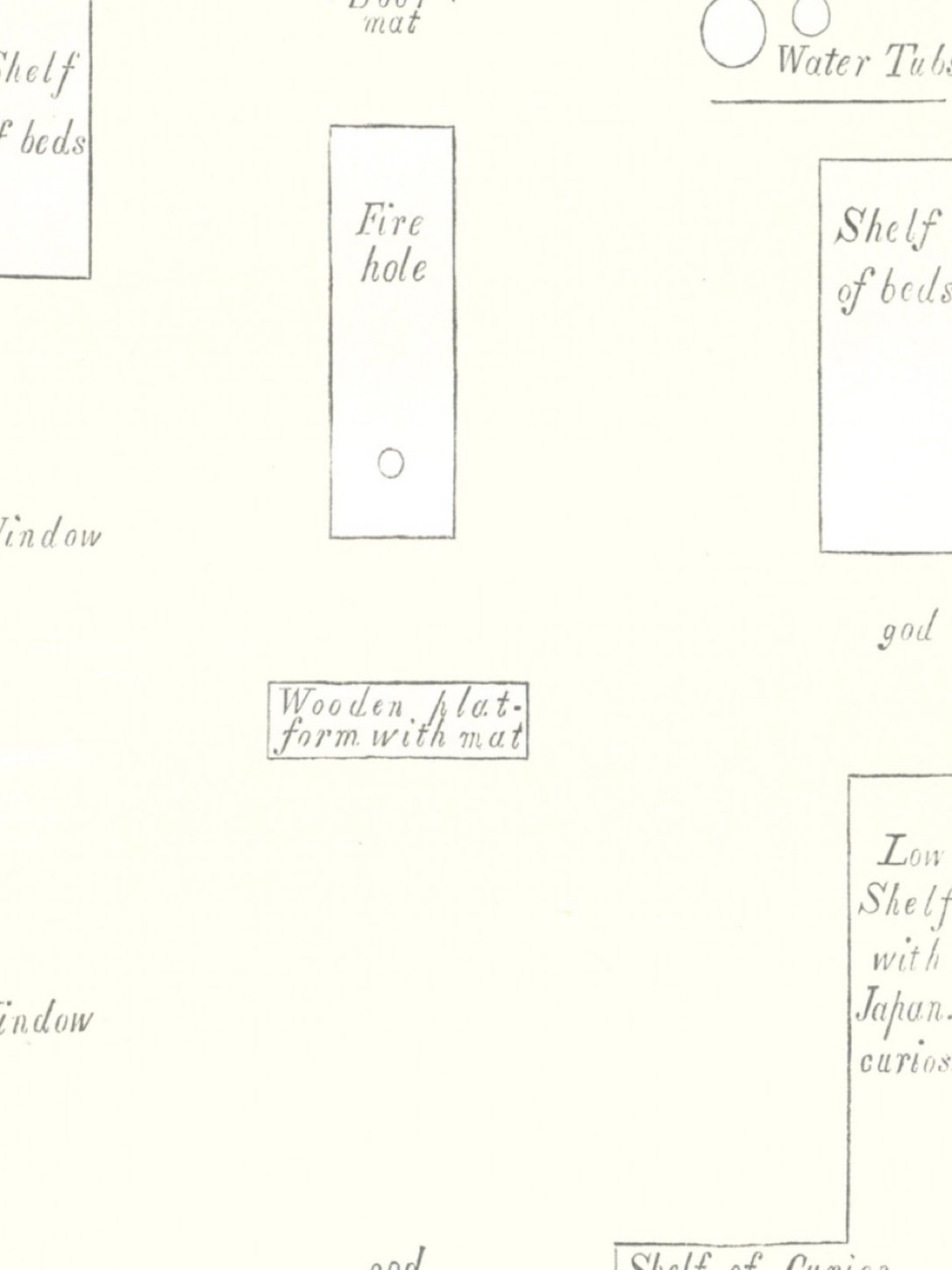
Aino farmhouse, 204; storehouses, 223, 247; lodges, 224; chief, 233 et seq.; house, 234; millet-mill and pestle, 238; patriarch, 258; gods, 265; urns, 265, 266; house, plan of, 267.
Ainos, the hairy, 225; superb-looking, 232; huts, life in, 234, 235; at home, 235; model villages, 237; hospitality, 237, 278; politeness, 239, 250; witch-like woman, 239; reverence for age, 240; salutation, 240, 279; truthfulness, 240; chief’s wife, 242, 243; children, 244, 260; tenderness to a sick child, 245; occupations, 247, 248; women, 248, 258, 259; Pipichari, 249, 287; sick woman, 250, 251; fear of Japanese Government, 251; shrine, 252; handsome chief, 253; qualities, 254; no history, 255; physique, 255; of Yezo, 256; European resemblances, 257; savage look, 257; height, 257; tattooing, 259, 260; children, obedience of, 261; clothing, 262; jewellery, 263; houses, 263–265; household gods, 265; Japanese curios, 265, 266; mats, 268; food, 268; bows and arrows, 269; arrow-traps, 269, 270; weaving, 271; no religion, 273; libations, 274; recitation, 275; solitary act of sacrifice, 275; bear-worship, 275; Festival of the Bear, 275, 277; ideas of a future state, 277; social customs, 277, 278; marriage and divorce, 278; amusements, 279; musical instruments, 279; manners, 279; health, 279, 280; intoxication, 280; uncleanly habits, 280; office of chief, 281; eldest son, 281; dread of
snakes, 282; fear of death, 282; appearance of old men, 283; domestic life, 284.
Ainos, coast, 304, 305; Lebungé, 313.
Akayu, 132; horse fair, 132; sulphur springs, 134; bathing sheds, 134; yadoya, 134.
Akita farm-house, 204.
A kuruma, 35.
A lady’s mirror, 201.
A Lake Biwa tea-house, 20.
Amado, or wooden shutters, 71.
Amainu, or heavenly dogs, 27.
Andon, the, or native lamp, 73.
Aomori Bay, 207; town, 207; lacquer, 207.
Arai river, 122.
Arakai river, 96; mode of crossing, 96.
Araya, 156.
Archery galleries at Asakusa, 29.
Architecture, temple, uniformity of, 21.
Arrow-traps, 269, 270.
Asakusa, temple of Kwan-non at, 21; sights of, 27; its novelties, 30.
Asiatic Arcadia, an, 133.
Attendant at tea-house, 64.
Baggage coolies in distress, 126.
Bandaisan, the double-peaked, 103.
Bangé, 100; congress of schoolmasters, 100; stampede, 101.
Barbarism and ignorance, 107.
Barber, female, 200.
Barbers’ shops, 77.
Bargaining, 77.
Bear, Festival of the, 275, 277.
Beggary, absence of, 127.
Benri, chief of the Ainos, 233, 240, 241, 281, 283.
Bettos, or running-grooms, 8.
Binzuru, the medicine god, 26, 27.
Biratori, 234; situation of, 237.
Blind men in Japan, 175, 176.
Boats, 178.
Bone, a, extracted, 104.
Booths, various, 29, 30.
Boys and girls, a procession of, 68.
British doggedness, 180.
Buddhist priests, 112.
Burial, a splendid, 54, 55.
Caligraphy, 70.
Canoes, 317.
Chaya and yadoya, distinction between, 37.
Chayas, or tea-houses, 36, 37.
Cheating a policeman, 152, 153.
Children, Japanese, docility of, 75.
Children’s parties, 68; names, 68, 69; games, amusing, 69; dignity and self-possession, 69; etiquette, 69.
Chinamen in Yokohama, 15.
Chlorodyne, cures effected by, 93, 94, 250, 251.
Chôkaizan, snow mountain, 139, 148.
Christian converts, 202.
Cleanliness, want of, 94, 95.
Climate of Niigata, 119.
Clogs, 12.
“Cockle’s Pills,” 287.
Coiffure, 200.
Coolies, baggage, 126, 127.
Corrals, Yezo, 296.
Country, a pretty, 180.
Cow, riding a, 124.
Cows, cotton cloths on, for protection, 128.
Cremation, 325; building for the purpose, 327; mode of burning, 327.